Harri Mustonen Photography
Travel photography

Blog.

FI|EN

Helicopter Parking in the Himalayas

24 October 2026
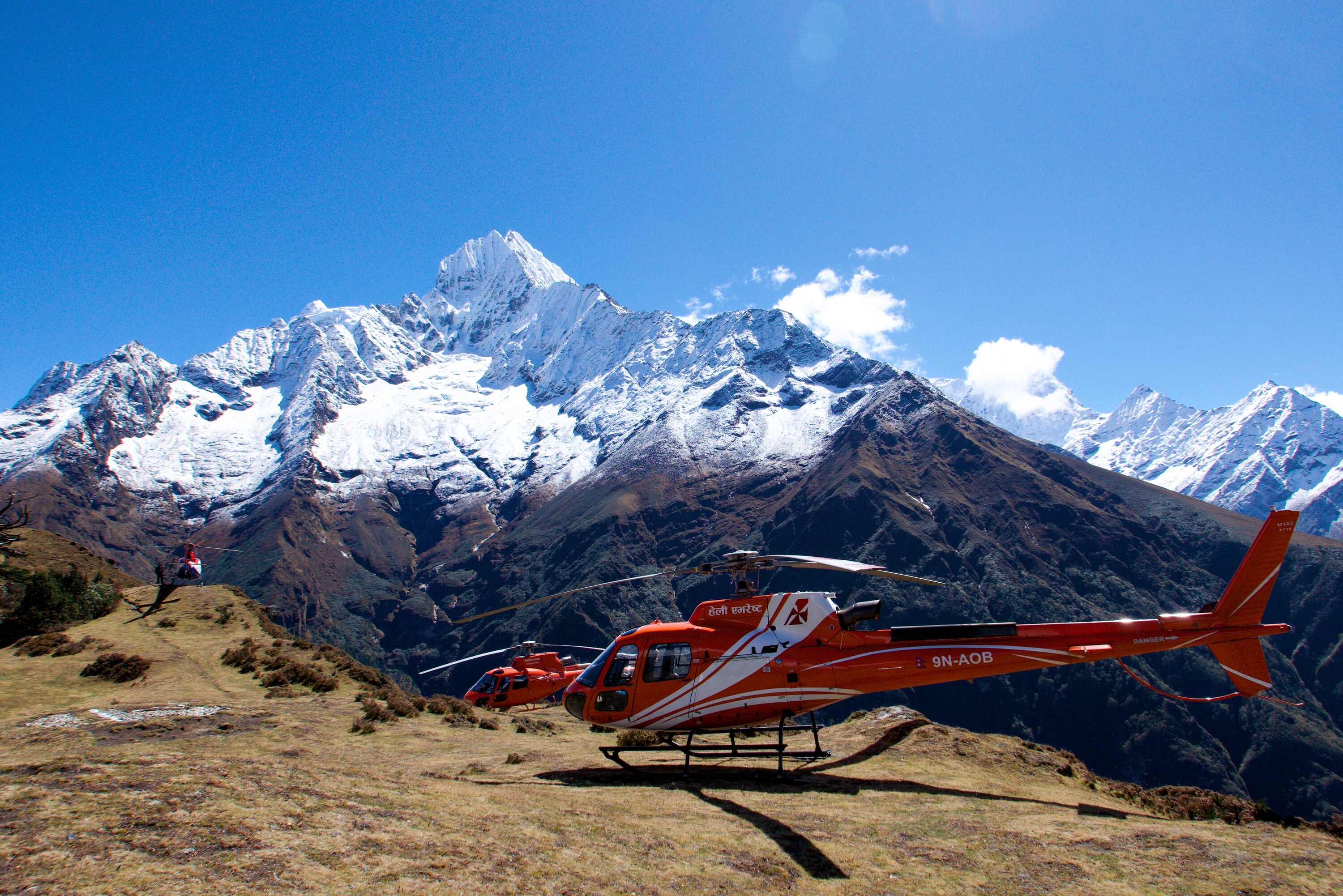
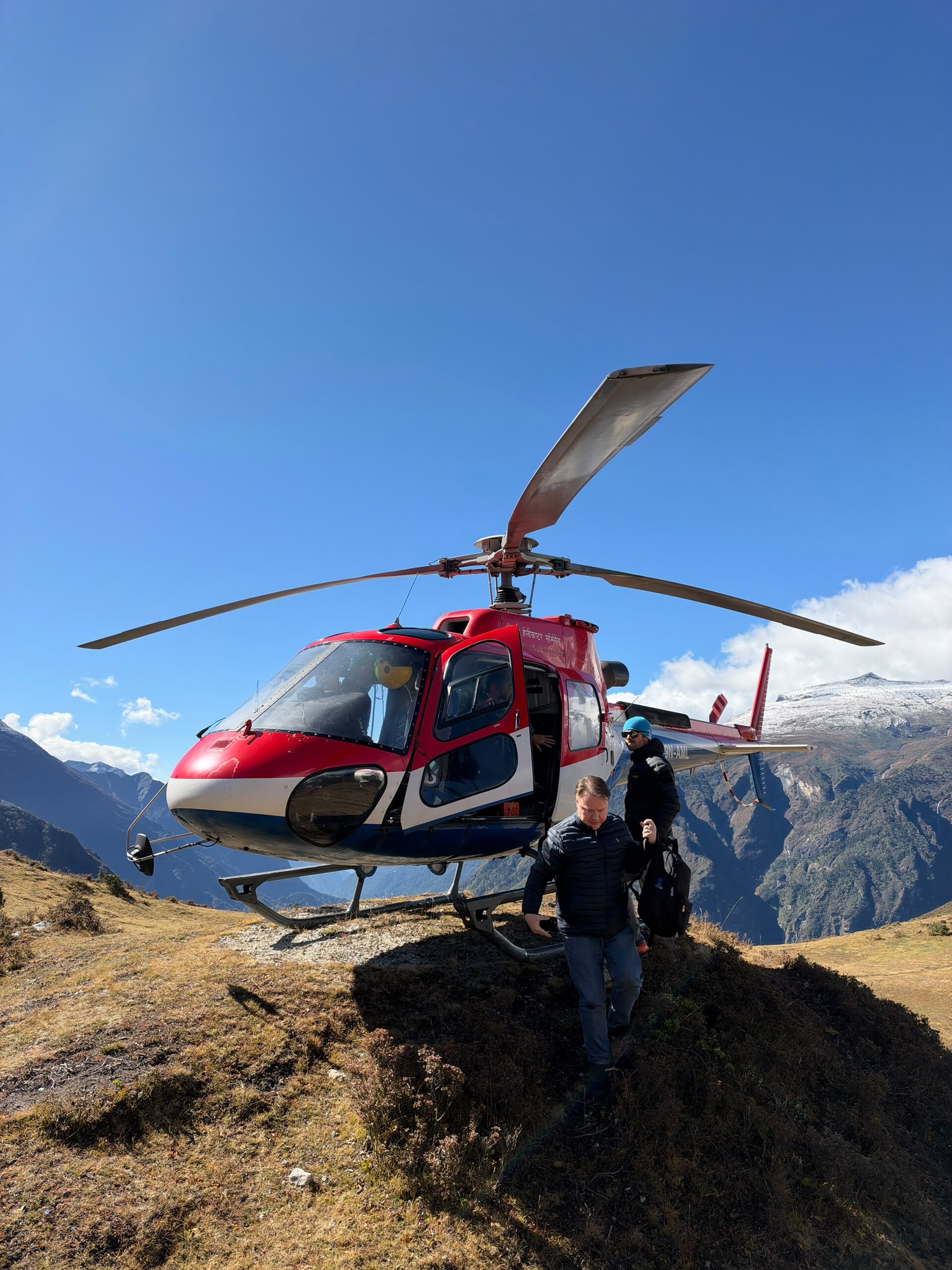
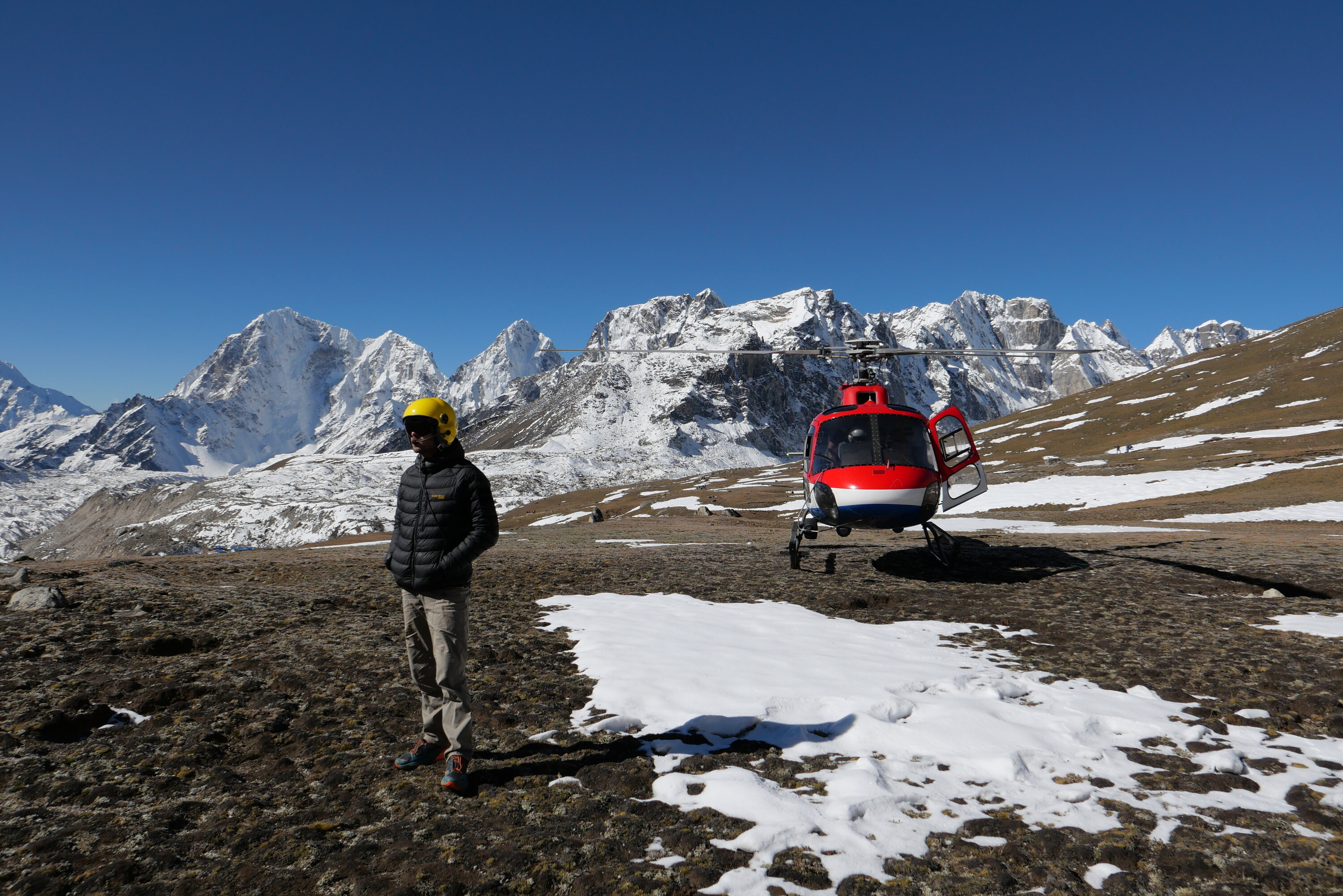
Near Hotel Everest View, at an altitude of 3,880 metres, I was struck by the way helicopters were landing. I would have expected clearly marked helipads in such a busy area, but in practice, things seemed much more informal. The helicopters landed wherever there happened to be a suitable patch of flat ground. Ours found a spot on top of a small hill.
View photo gallery
Helicopter Parking in the Himalayas

Kathmandu's Quietest Intersection

24 October 2026
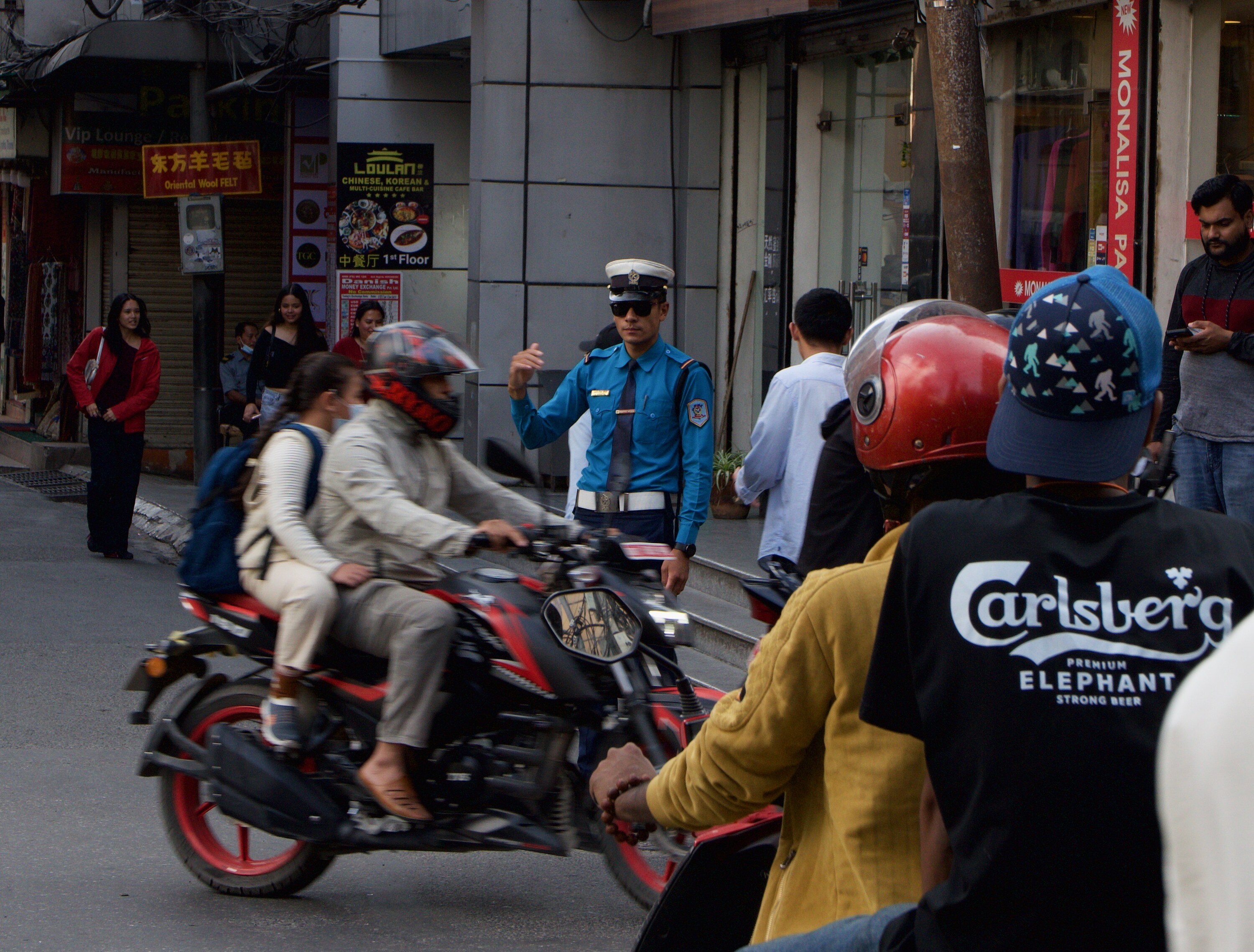
Even the traffic police seemed to be part of Kathmandu's controlled chaos. This officer was doing his best to keep the traffic flowing, although the real traffic jam was somewhere else entirely. Perhaps that's why things were running so smoothly at his intersection.
View photo gallery
Kathmandu's Quietest Intersection

Kathmandu – Controlled Chaos and Remarkable Kindness

24 October 2026
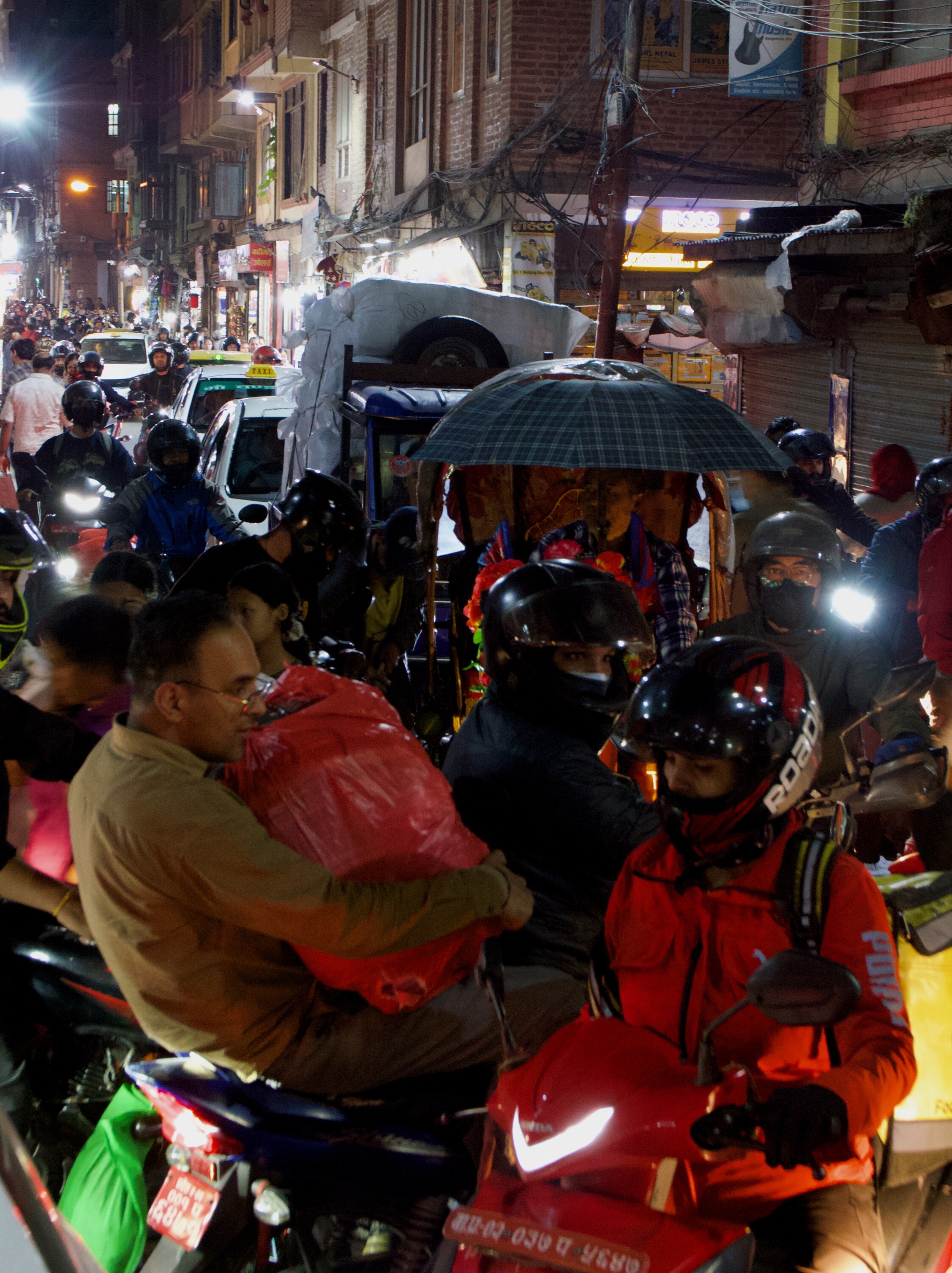
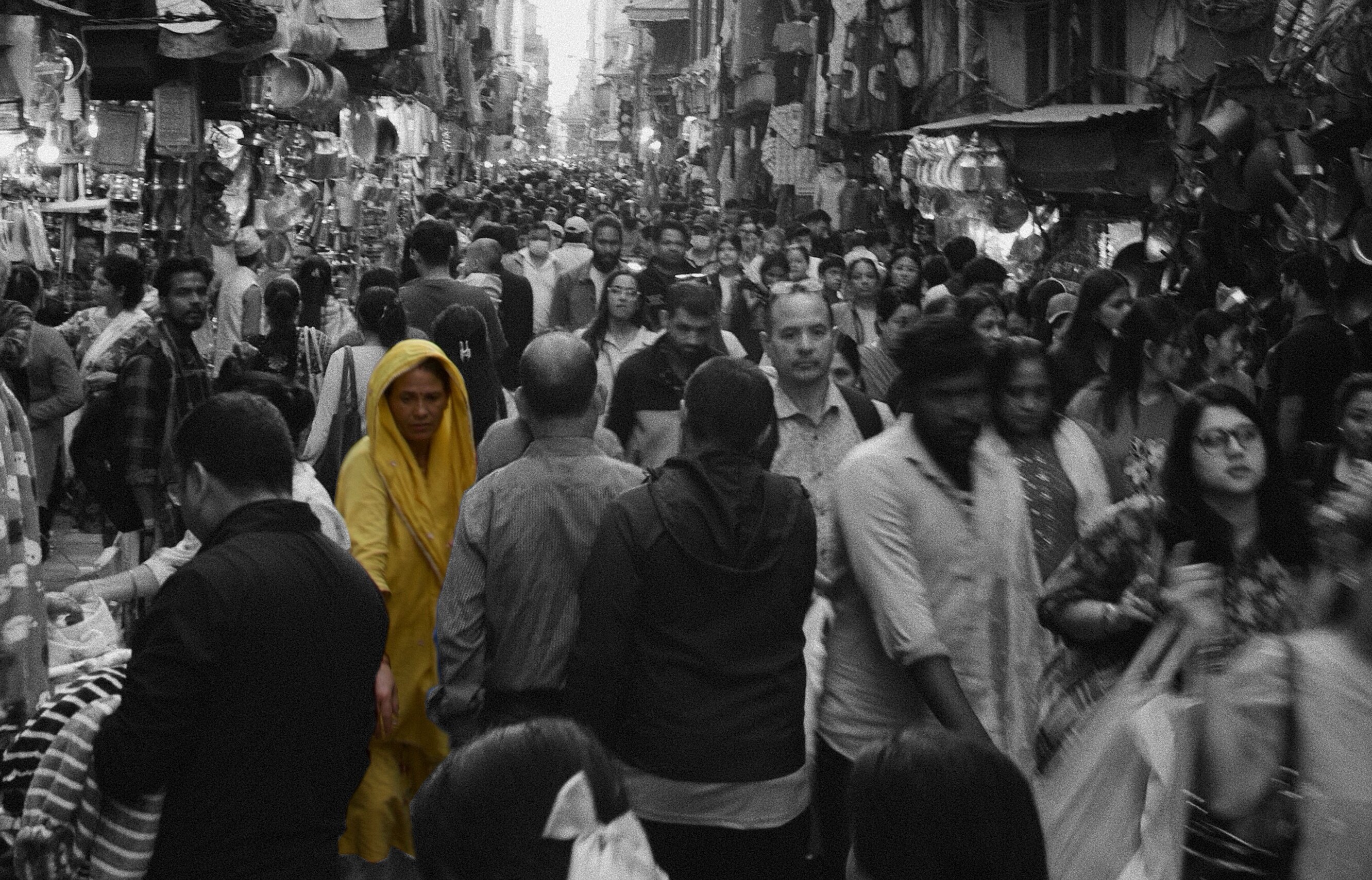
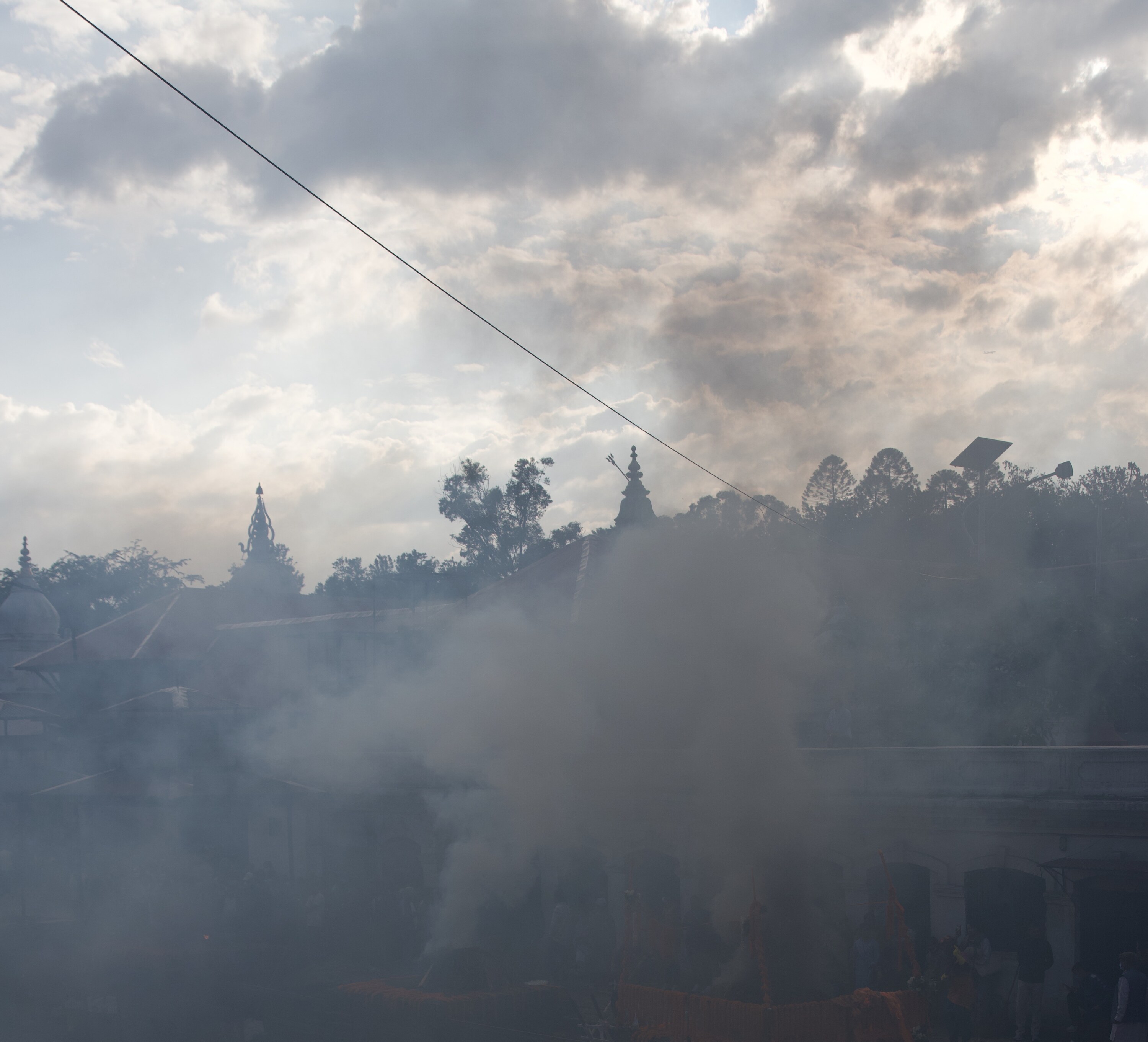
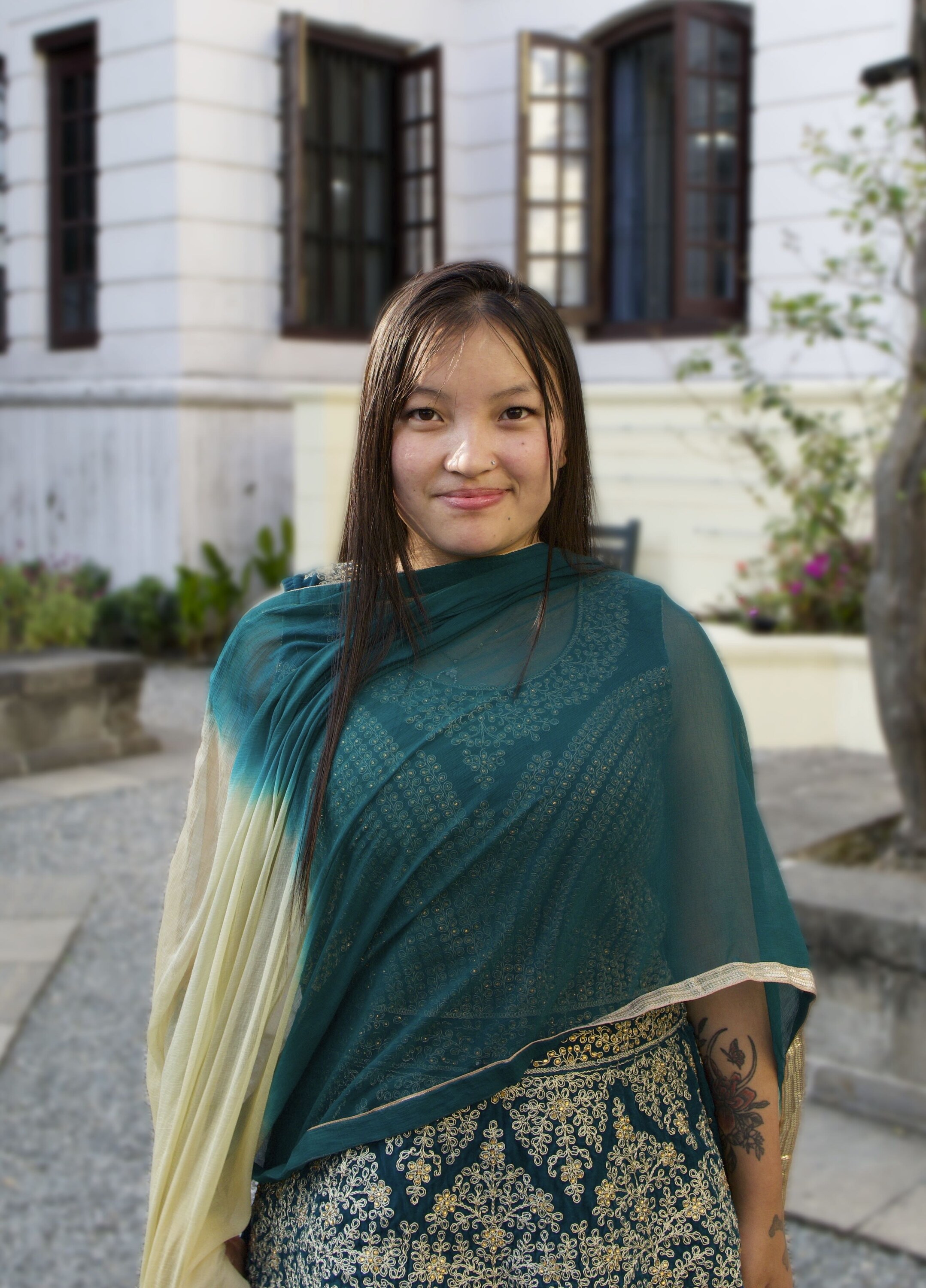
Kathmandu makes an impression from the very first moments. The streets are packed with people, cars, and motorcycles weaving around each other in every direction. The air is filled with exhaust fumes, dust, and the constant noise of traffic. To an outsider, the traffic looks like complete chaos, yet somehow it all works. Everyone seems to understand the unwritten rules of this extraordinary system. I have never been to India, but Kathmandu reminded me of the many photographs and travel stories I have seen from there. A fellow traveller described Nepal as a slightly cleaner version of India. I cannot compare the two countries myself, but I can understand what he meant. The most pleasant surprise, however, was the people. The Nepalese were exceptionally friendly, and the level of trust between people seemed quite different from what I am used to. I experienced a remarkable example of this immediately upon arriving at the airport. I bought a local SIM card, but payment could only be made in cash. I had no local currency, and neither of the airport ATMs was working. The employee solved the problem by giving me his personal bank details and suggesting that I ask my hotel to transfer the payment to his account later. A complete stranger trusted that a tourist who had just arrived in the country would settle the payment afterwards. Religion is visible everywhere in Kathmandu's everyday life. Small altars and shrines can be found on almost every street, with people stopping to offer prayers as they go about their daily routines. One of the most powerful experiences was visiting the Pashupatinath temple complex, where the deceased are cremated on open funeral pyres along the banks of the Bagmati River. The air was thick with smoke, and the religious rituals were visible to everyone. It was striking to see how death is openly present in everyday life here, rather than being something private that takes place behind closed doors. Kathmandu is neither peaceful nor particularly clean. The exhaust fumes, noise, and crowds can be exhausting, yet there is something extraordinarily fascinating about the city. What stayed with me most were the kindness of the people and the countless small encounters on the streets. Kathmandu is a city whose atmosphere is difficult to forget. More photographs of the city's street life, people, and temples can be found in my Kathmandu 2026 gallery.
View photo gallery
Kathmandu – Controlled Chaos and Remarkable Kindness

Helicopter Flight to Everest – Four Minutes at 5,500 Metres

24 October 2026
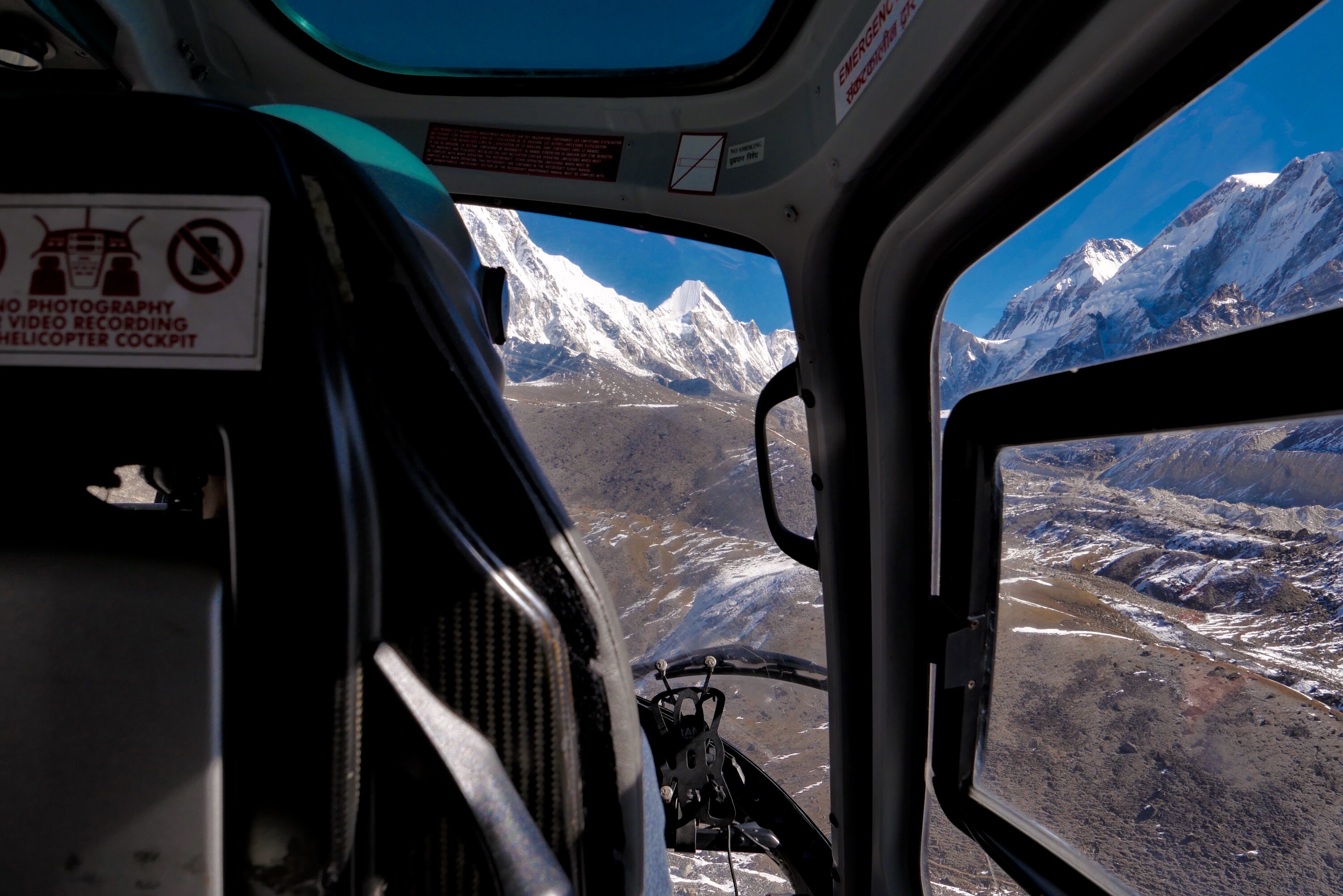
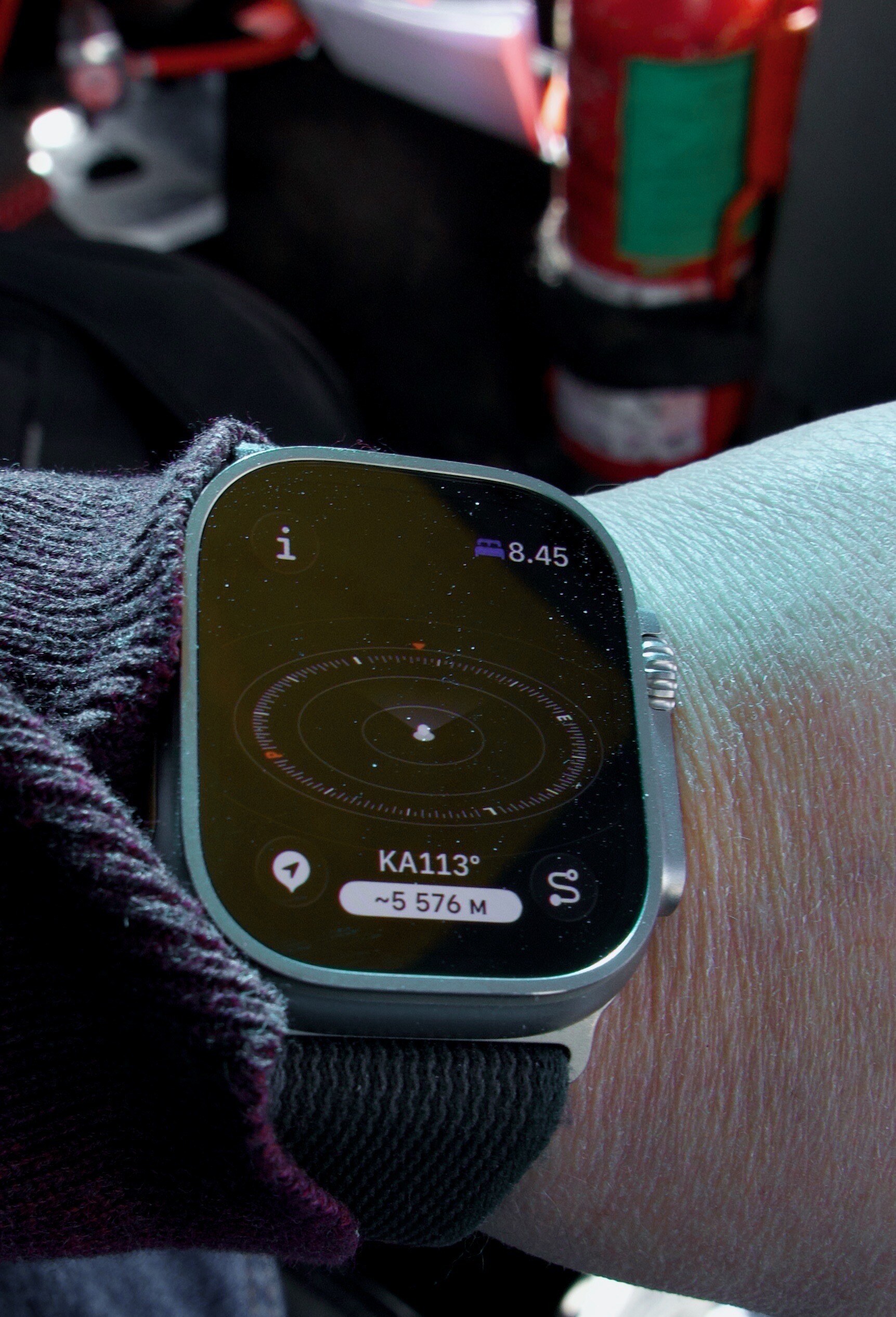
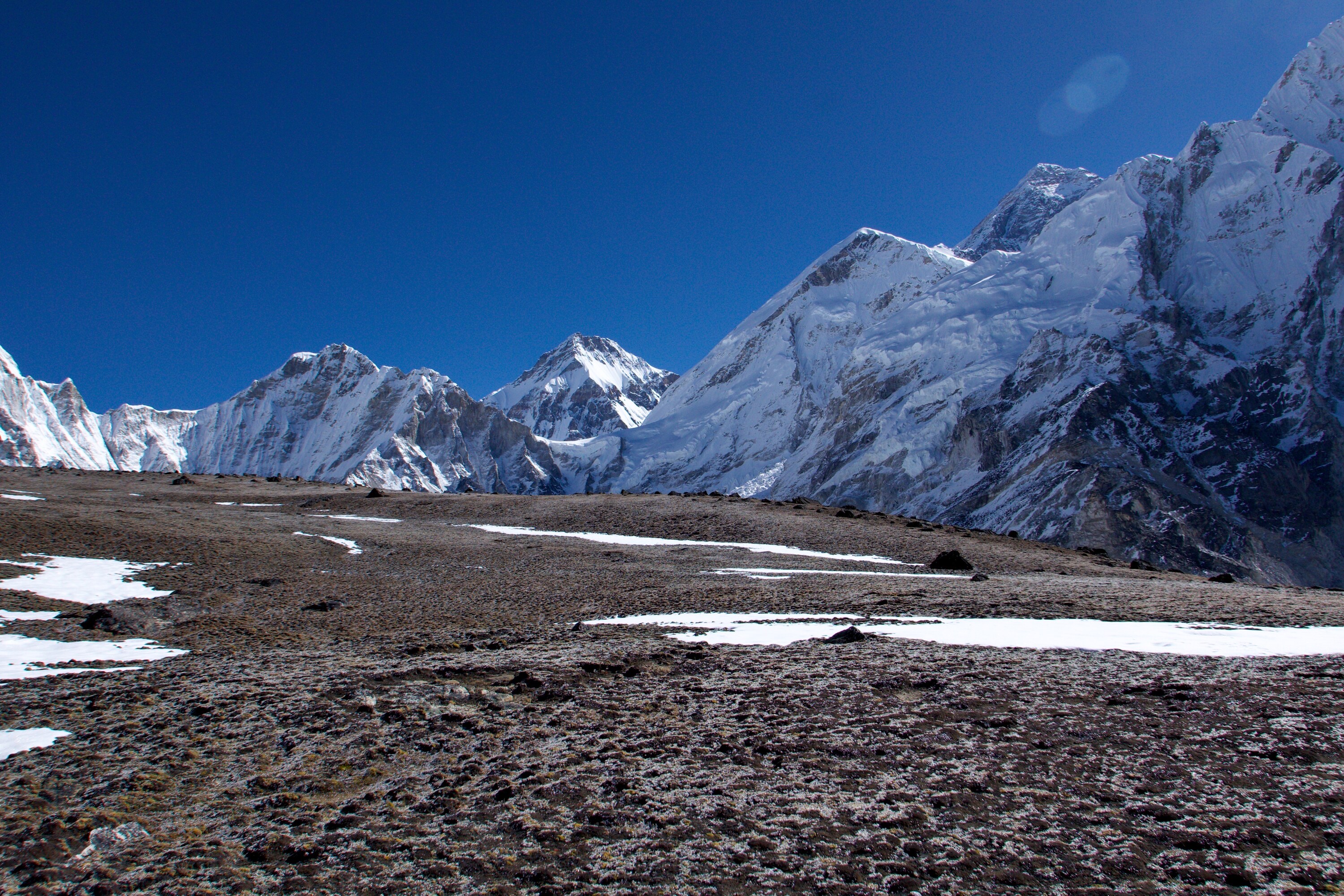
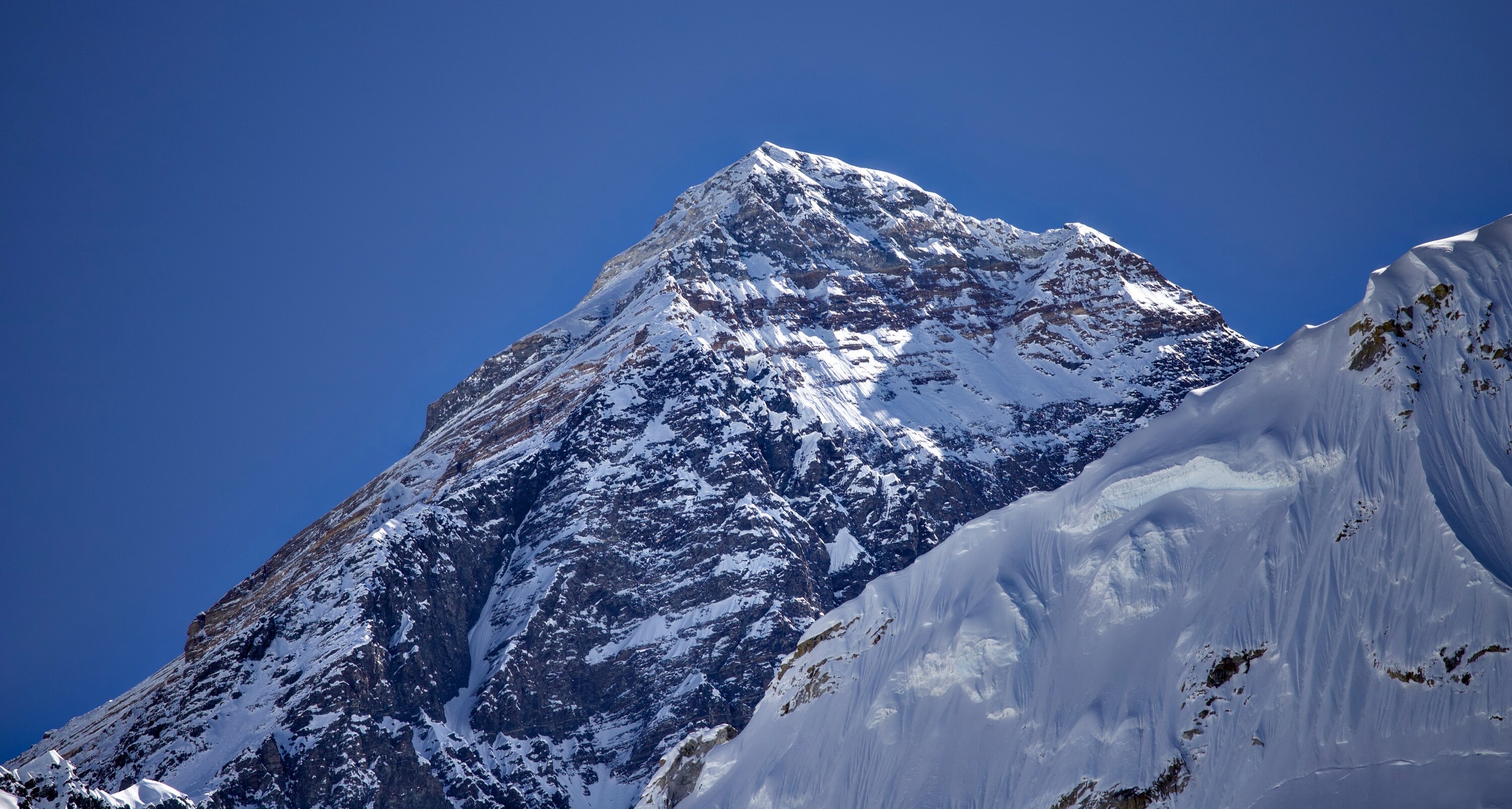
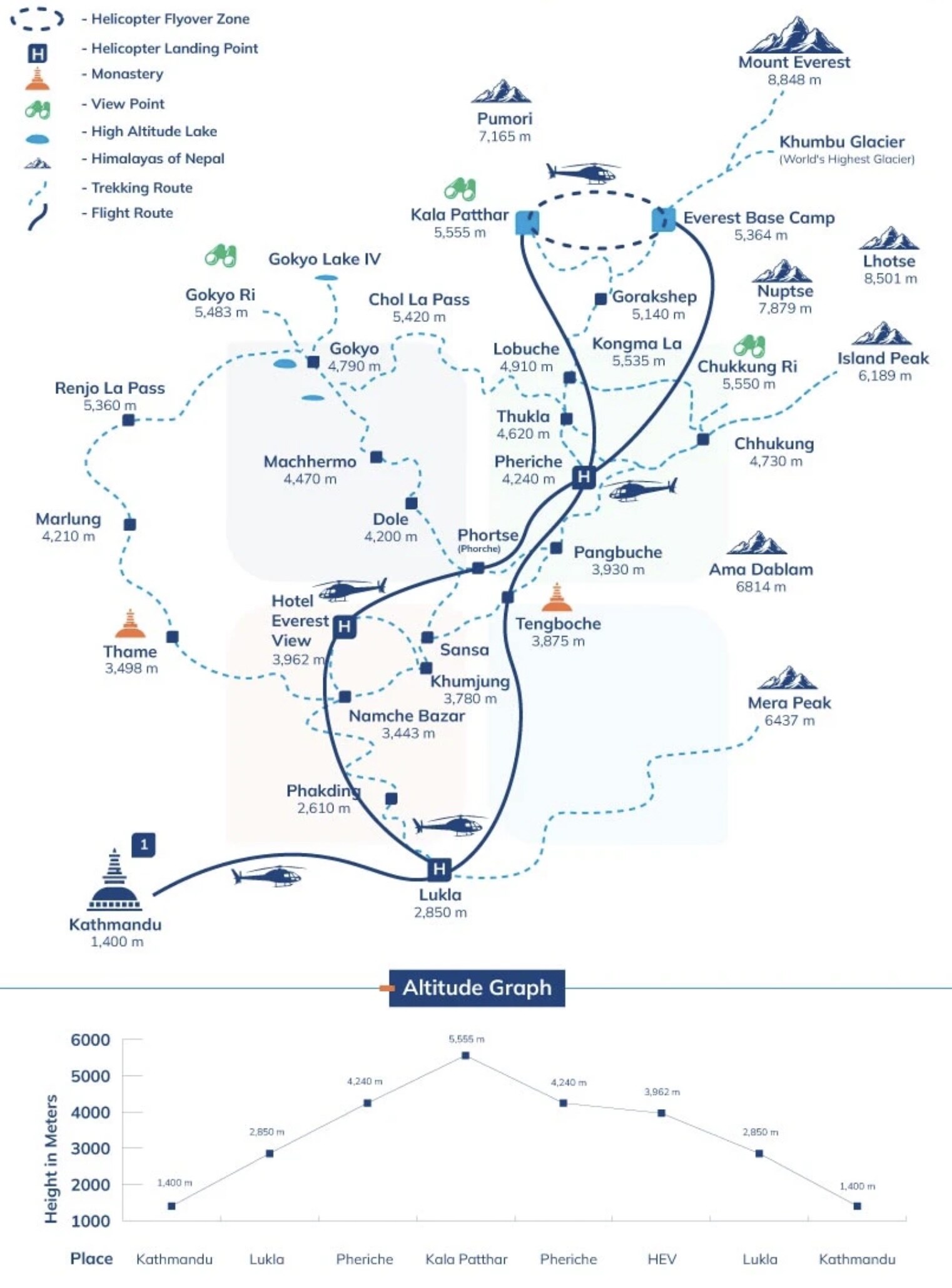
Seeing Mount Everest up close was one of the experiences I had most looked forward to on my trip to Nepal. However, the helicopter flight into the Himalayas turned out to be a far more extraordinary experience than I could ever have imagined. During the flight, we stopped in Pheriche, where the helicopter's load was reduced for the final and highest part of the journey. From that point on, there was only one passenger on board, along with the two pilots. I was the helicopter's sole passenger for the rest of the flight. The mountain scenery had already been incredible, but Everest remained hidden behind other peaks for a long time. It was only as we approached the Base Camp area that the world's highest mountain finally emerged, rising massively between the surrounding peaks. At that moment, looking through the helicopter window, I was treated to the most majestic views of Everest during the entire journey. The sheer scale of the mountain was almost impossible to comprehend. We eventually landed at Kala Patthar, at an altitude of approximately 5,500 metres. As soon as I stepped out of the helicopter, I could feel the altitude. The thin air left me breathless after even the slightest movement. Enormous mountains rose all around me, the helicopter was waiting with its engine running, and we had only a few minutes. There was something almost surreal about the whole experience. From Kala Patthar, Everest looked different than it had from the air. In the accompanying photograph, its summit can be seen peeking out from behind the other mountains, just below the reflection visible in the image. I have also included a close-up photograph taken from the same spot and in the same direction with a telephoto lens, in which Everest's summit appears considerably larger. The experience was so exciting and intense that afterwards I realised my memories of it were somewhat jumbled. Everything happened so quickly that I barely had time to take in everything I was seeing and experiencing. Although I had been looking forward to seeing Everest for a long time, I could never have imagined what it would feel like to gaze at the world's highest mountain through a helicopter window and, moments later, stand more than five kilometres above sea level, surrounded by the peaks of the Himalayas. More photographs from the flight and Kala Patthar can be found in my Everest gallery.
View photo gallery
Helicopter Flight to Everest – Four Minutes at 5,500 Metres

Mount Everest

5 October 2026
This Thursday, a new journey begins — this time to Nepal and Kathmandu. The part I am looking forward to most is a helicopter flight into the Himalayas, towards Mount Everest. The plan is to fly from Lukla towards Everest Base Camp. The route takes us deep into the Himalayas, past Namche Bazaar and further into the highest reaches of the Khumbu Valley. The aim is not simply to see Everest, but to experience the entire route and watch the landscape change from the greener slopes around Lukla to glaciers and the highest mountains in the world. On a flight like this, however, the plan is never entirely in our own hands. Weather in the Himalayas can change quickly, and visibility, cloud cover and wind ultimately determine where it is possible to fly and where it is safe to land. If conditions are not good enough, the flight may have to be delayed, the route changed or the trip cancelled altogether. That is simply part of travelling in this environment. I have prepared for the flight in a slightly unusual way. I have flown the route between Lukla and Everest Base Camp several times in Microsoft Flight Simulator 2024 using a helicopter. I use the simulator with a VR headset, which effectively puts me inside the cockpit and allows me to look around at the surrounding mountains in a surprisingly realistic way. A simulator is obviously not the same as a real flight, but it has helped me become familiar with the geography of the area and the main landmarks along the route. I already have a fairly good idea of where the different valleys and mountains are and at which points during the flight I should start looking for Everest. Seeing Everest is not quite as straightforward as one might imagine. The world's highest mountain does not dominate the view throughout the flight. Other mountains obscure it for much of the route, and even near Everest Base Camp the view of Everest itself is surprisingly limited. It appears through gaps between the surrounding mountains at certain points — provided, of course, that the weather and clouds cooperate. Safety also determines how the flight is carried out. At high altitude, the thinner air reduces a helicopter's performance, so passenger numbers and weight may need to be adjusted during different stages of the flight. The final decisions about the route, landings and whether the flight can continue are made by the crew according to the conditions on the day.
Mount Everest

The Edge - Taiwan 2026

4 October 2026
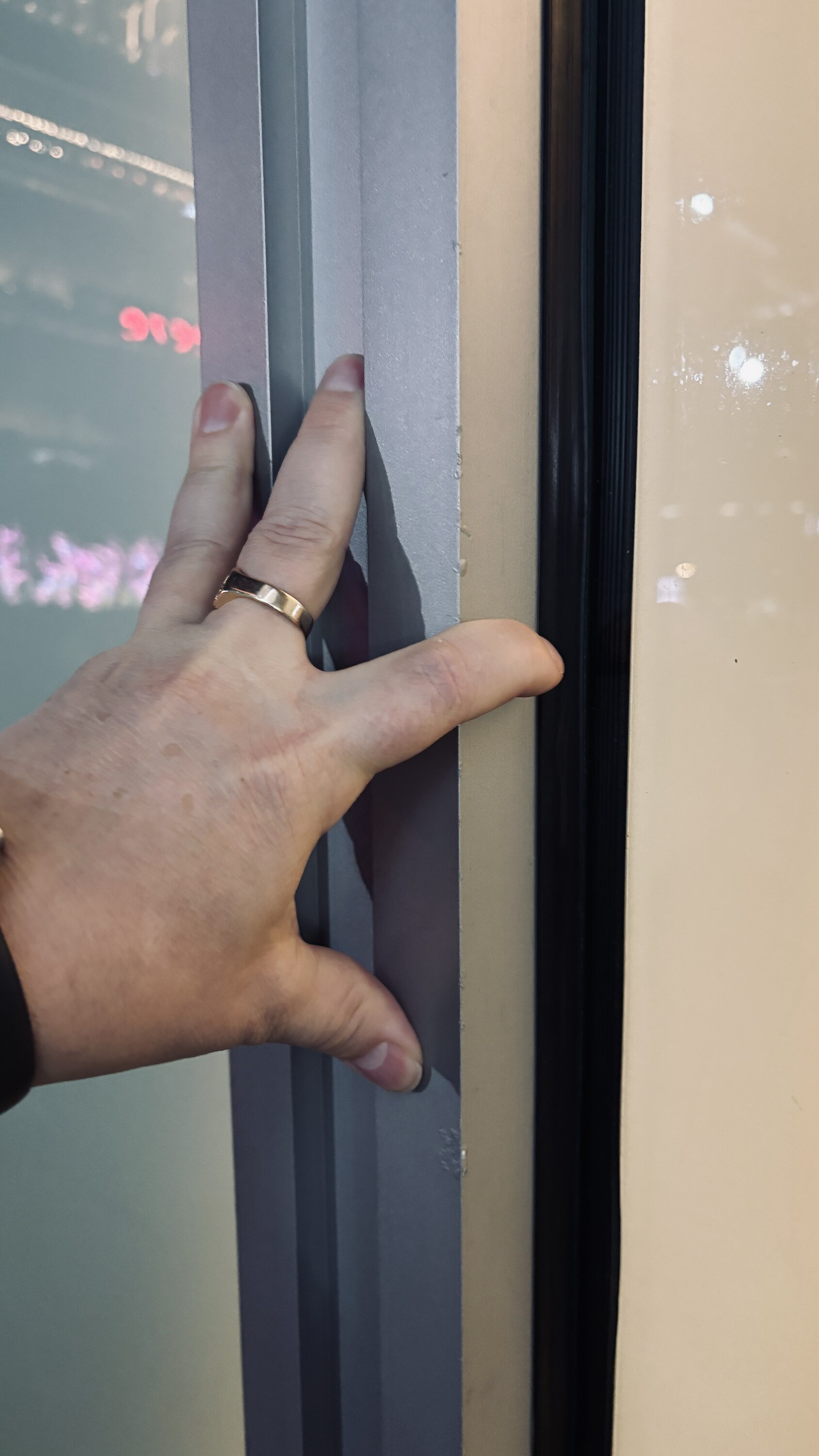
Alex Honnold climbed to the top of Taipei 101 without ropes or safety equipment, using the building’s façade structures for support. Later, I placed my hand against one of the aluminium profiles of the glass façade. This is the exact type of profile Honnold used to support himself as he climbed the tower. I took the photograph mainly to show the scale. Seeing the width of the profile compared with my hand makes the achievement feel very different from watching it from a distance. More than 500 metres of building, with remarkably little to hold on to. Sometimes a small detail tells more than a photograph of the entire skyscraper.
View photo gallery
The Edge - Taiwan 2026

Blind Massage - Philippines 2025

3 October 2026
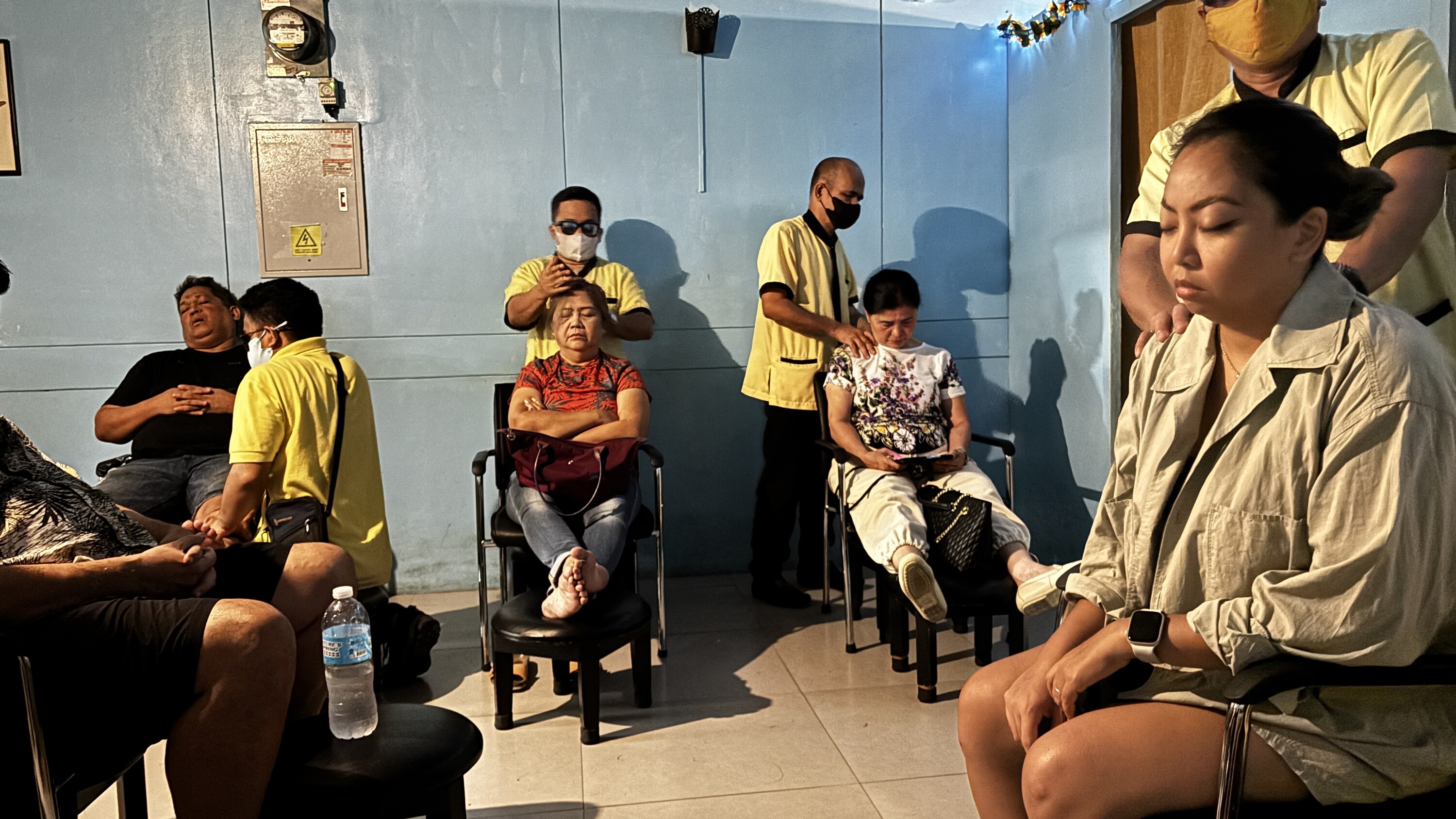
I was in Cebu in the Philippines with a local guide, and my neck had become so stiff from travelling that I asked if he knew somewhere I could get a massage. He said he did and took me to a place I would never have found on my own. All the massage therapists were blind. As soon as I walked in, the atmosphere felt very different from any massage place I had been to before. The room was simple and almost completely silent. Some customers sat waiting while others were being massaged. What fascinated me most was the light. A strong, almost unreal light filled the room, casting sharp shadows of the people against the blue wall. I kept thinking about the same thing: for most of the people working in that room, the light itself had no significance. Yet for me, it was precisely the light that made the scene so visually striking and unusual. There was a strange contrast in that. I was observing the room entirely through sight — the light, the shadows, people's expressions and small movements — while the therapists were doing their work relying on other senses. What stayed with me most, however, was the silence. People spoke very little, and there was no background music or the usual noise. An assistant would guide a therapist to the customer, their hands would find the neck and shoulders, and then the room would fall silent again. I went there simply because my neck was stiff. I left having had one of the most unusual experiences of my travels.
View photo gallery
Blind Massage - Philippines 2025

Kava – part of everyday life - Fiji 2024

3 October 2026
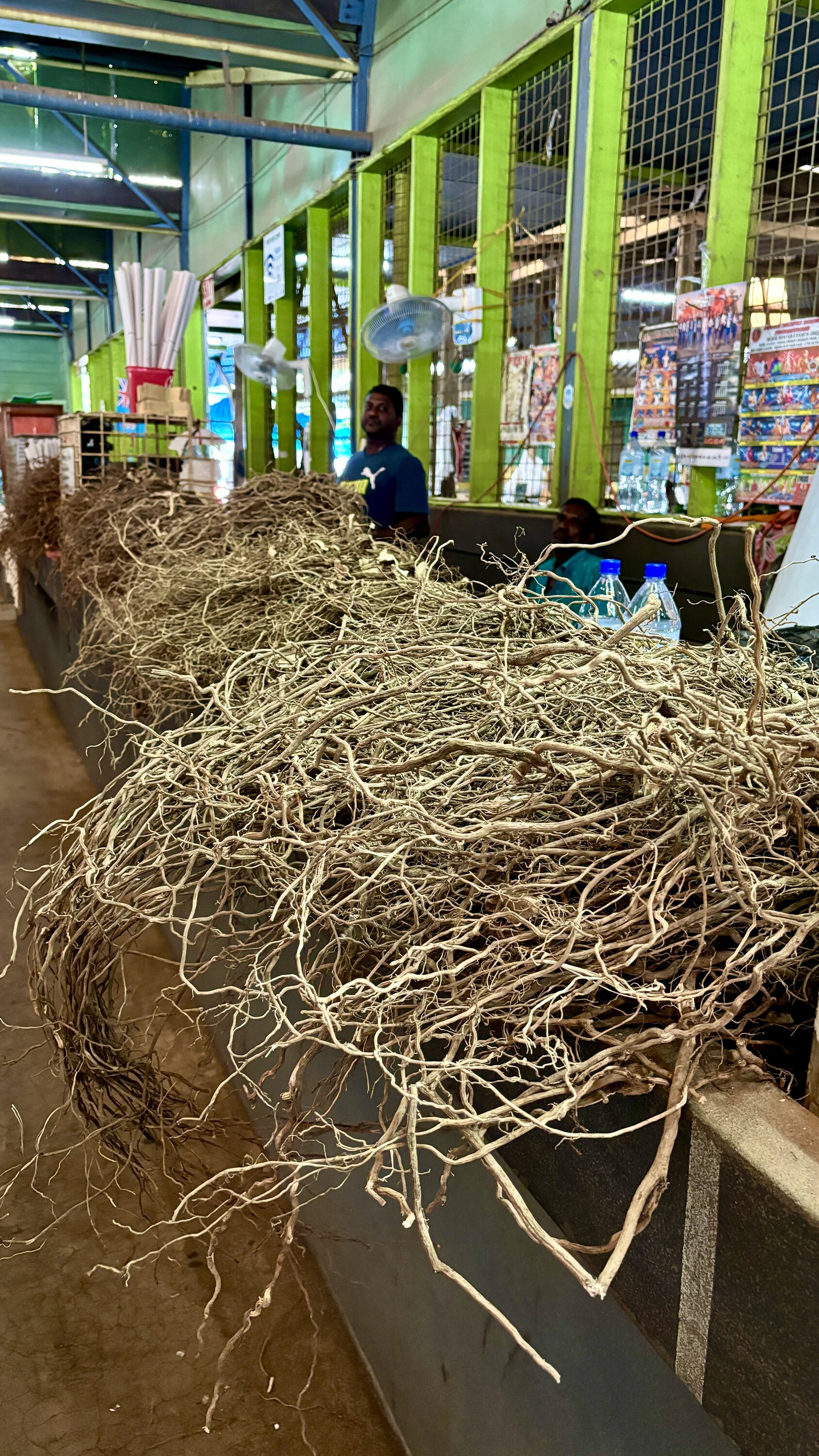
While travelling in Fiji, I came across kava, a traditional drink made from the roots of the kava plant. It has a mild intoxicating effect and a long history in Fijian culture, where drinking kava is part of social life, ceremonies and gatherings. I saw it being prepared and shared, and was invited to try it myself. I chose not to, as I prefer not to use intoxicating substances. Still, it was fascinating to watch and experience something that is such a natural part of everyday life and local culture. The photograph shows bundles of kava roots for sale at a market in Fiji.
View photo gallery
Kava – part of everyday life - Fiji 2024

Arang Gogo Janggu - South Korea 2019

2 October 2026
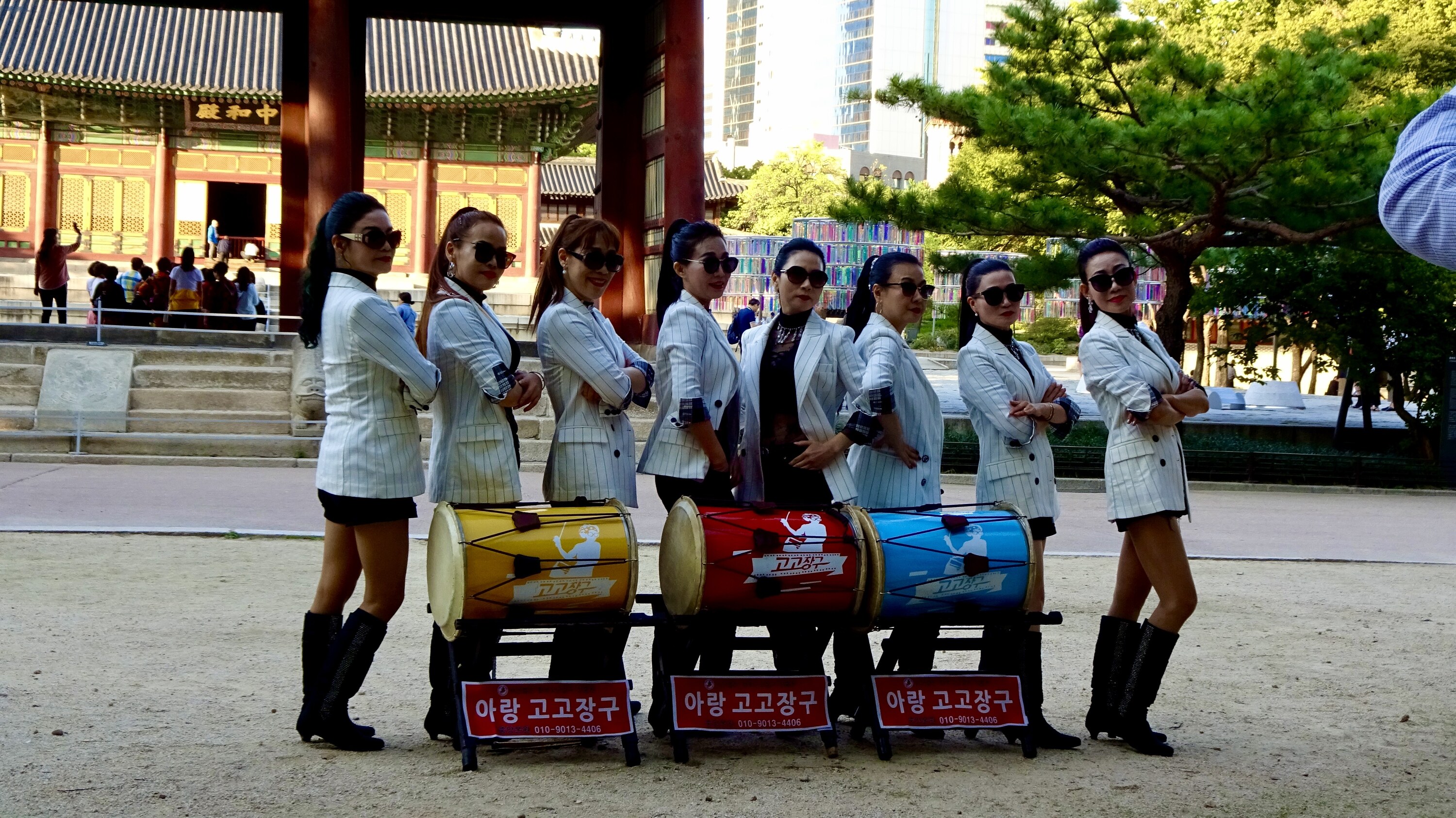
While walking through Seoul, I came across this colourful group preparing for a performance. I had no idea what I was looking at at the time, but later discovered that it was Arang Gogo Janggu — a modern Korean performance style combining the traditional janggu drum with music, choreography and carefully coordinated movement. Encounters like this are one of the things I enjoy most about travelling. You don't always need to know what is happening when you take the photograph. In this case, I only discovered what I had photographed afterwards, when I used AI to help identify the group and find the story behind the image.
View photo gallery
Arang Gogo Janggu - South Korea 2019

Mother and Daughter at Tiffany Falls- Canada 2025

2 October 2026
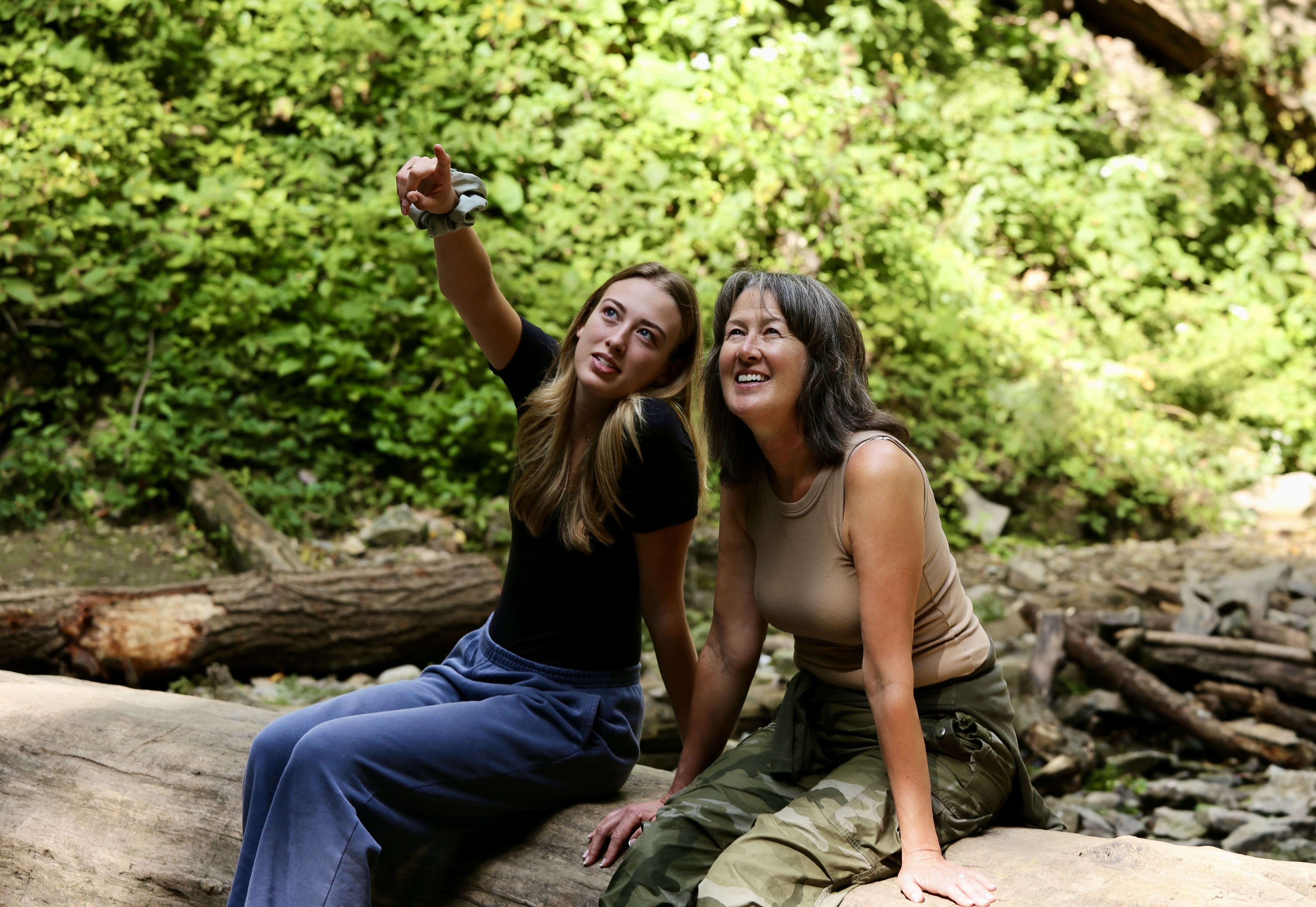
I was taking photographs at Tiffany Falls in Ontario when I noticed a mother and daughter sitting on a fallen tree, looking towards the waterfall. The daughter pointed at something in the distance and her mother looked in the same direction, smiling. The moment lasted only briefly, but I managed to capture a photograph that I particularly like. They noticed me taking their picture, but afterwards I realised I had made a small mistake: I forgot to give them my contact details. I would have been happy to send them the photograph. Perhaps one day they will happen to find this page. If you recognise yourselves in the photograph, please get in touch — I would be very happy to send it to you.
View photo gallery
Mother and Daughter at Tiffany Falls- Canada 2025

Through a War Photographer’s Lens - Vietnam 2024 gallery

2 October 2026
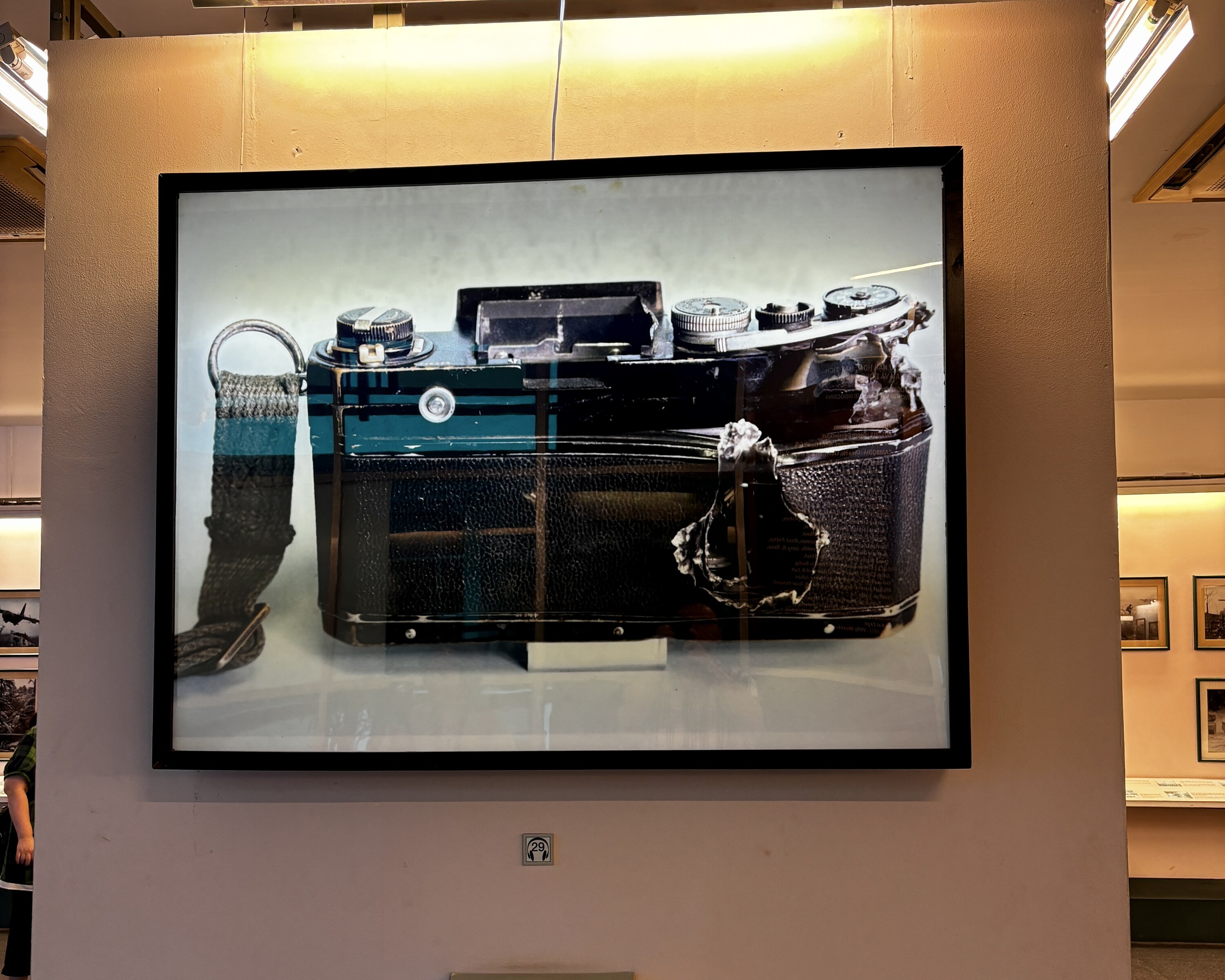
One of the exhibits that stayed with me at the War Remnants Museum in Ho Chi Minh City was a photograph of the badly damaged camera of Japanese war photographer Taizo Ichinose. Ichinose photographed the wars in Vietnam and Cambodia in the early 1970s. His camera was struck by a bullet during an ambush — an object that suddenly makes the dangers faced by photographers covering the war very tangible. Ichinose survived that incident, but was killed in Cambodia in 1973 while attempting to reach Angkor. Seeing the damaged camera among the many photographs, weapons and other remnants of the war was a small but powerful reminder that behind the images documenting a conflict there was always someone standing behind the camera.
View photo gallery
Through a War Photographer’s Lens - Vietnam 2024 gallery

Document in Japan 2015-2016 gallery

1 October 2026
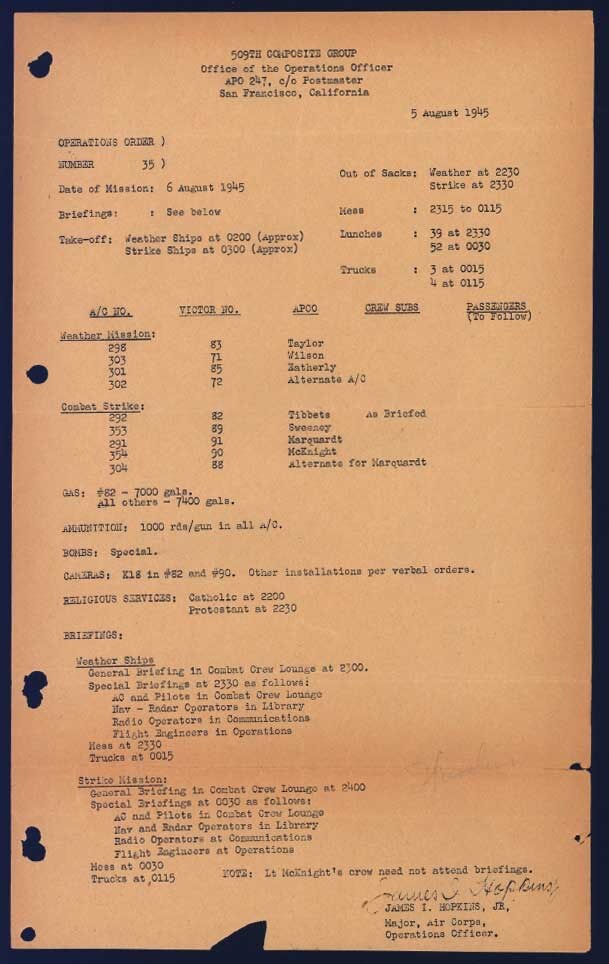
At first glance, this looks like an ordinary military document — schedules, aircraft numbers, names and briefing times. But it is Operations Order No. 35, dated 5 August 1945: the operational order for the atomic bombing of Hiroshima the following morning. Among the names on the page is Tibbets, the pilot of the Enola Gay. What struck me was how ordinary the document looks. One of the most consequential events in human history appears here as a page of routine military administration — aircraft, crews, meals, trucks and briefings. The bomb itself is described simply as “Special.” Perhaps the most haunting detail is the entry for religious services: Catholic at 22:00 and Protestant at 22:30. Only a few hours later, the crews would leave for their aircraft. The presence of prayer alongside such carefully organised preparations for destruction creates a disturbing contrast. Knowing what happened in Hiroshima the following morning gives this otherwise ordinary-looking sheet of paper a weight that its bureaucratic language does not reveal.
View photo gallery
Document in Japan 2015-2016 gallery

Chinese ink painting - Taiwan 2026

1 October 2026
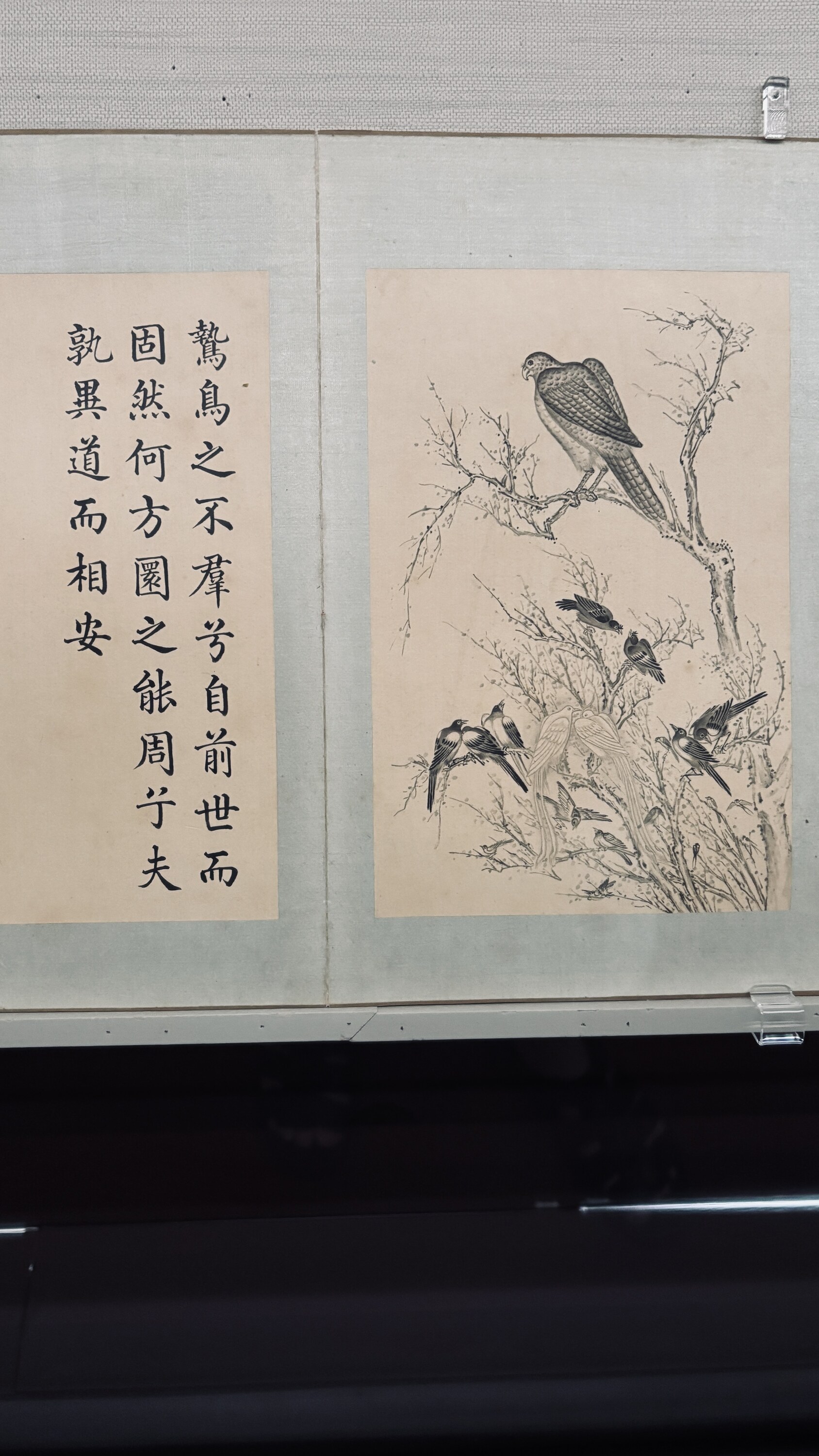
In the Taiwan gallery, there is a traditional Chinese ink painting showing a large bird of prey perched alone above a group of smaller birds. The meaning of the accompanying text can be loosely translated as: “The bird of prey does not join the flock — it has always been so. How could the square and the round ever fit together? How could those who follow different paths live in harmony?” But what does it really mean? It is not really about birds. The bird of prey represents a person who remains true to their own nature and principles rather than conforming simply to belong. The “square and the round” represent things that are fundamentally incompatible — they cannot be forced into the same shape. In the same way, people whose values or principles are fundamentally different may not always be able to follow the same path. In more contemporary words, the idea might be expressed as: “I would rather follow my own path than change who I am just to fit in.” I found something deeply familiar in that idea — something that reflected who I am.
View photo gallery
Chinese ink painting - Taiwan 2026

Why I Created This Website?

30 September 2026
The purpose of this website is not to show how many places I have visited or how much I have travelled. Above all, I wanted to create a place for the photographs I have accumulated over the years — some of which, I think, have turned out rather well. For a long time, most of these photographs have simply remained in my own archives. It seemed a little pointless to leave them there, so I wanted to bring them together on a website where they can be viewed at a more relaxed pace, away from the formats, algorithms and constant stream of images on social media. I also wanted a place where I can record observations and impressions from my future travels. Most of all, I hope that people will enjoy looking at the photographs. At its best, a photograph can show something familiar in a slightly different way, spark curiosity, or draw attention to a detail that might otherwise have gone unnoticed. And yes – I use AI to help edit my writing. The thoughts are my own, but AI helps me turn them into clear and readable text. I don’t want to spend my time endlessly polishing every sentence when I could be using that time for something more interesting. All the photographs on this website were taken by me, and none of them have been edited or generated using AI.

How This Website Was Built

30 September 2026
How much work does it take to build a website like this? When I started building this website, the idea was simply to create a place for my travel photography. The project, however, quickly grew into something much more than a basic static portfolio. The site was built essentially from scratch on my own domain and web hosting. Along the way, it developed into a responsive website with automatically generated photo galleries, dedicated pages for different types of content, and a system that allows me to manage the site without constantly editing the code. For this purpose, a password-protected Gallery Manager was created. It allows me to add and remove photographs, change their order, manage galleries and maintain the blog. Large images are also automatically optimized on the server for web use. The blog was built into the same system. Posts can be created, edited and deleted through the Gallery Manager, written in both Finnish and English, and connected to photographs already stored in the galleries. The public blog page is generated automatically from this content and follows the visual style of the rest of the website. There is also quite a lot happening behind the scenes that is barely noticeable when viewing the finished site. This includes the domain and SSL certificate, responsive behaviour across different devices, making the site easier to find through Google, metadata, the sitemap, Google Search Console, and numerous smaller technical solutions and fixes. Once the planning, programming, image processing, interface design, testing and all the changes made along the way are taken into account, this is no longer quite such a simple website. I had no programming experience when I started. The website has been built together with AI: I have defined how I want it to look and how I want it to work, while ChatGPT has helped turn those ideas into working code and solve the problems encountered along the way. That has probably been the most interesting part of the project. AI did not build the website with a single command. The process has been a continuous dialogue: an idea, an implementation, a test, an error, a correction and then another improvement. At the same time, I have gradually learned to understand much more about how the website works, even though I have not had to learn how to write all of the code myself. The whole project came together surprisingly quickly. I started building the website on 27 September, and about five days later I already had a working photography website with galleries, its own management tools and a blog. I did not keep an exact record of the hours, but based on the conversation history and the time spent working on it, I estimate that I have put around 20–30 hours into the project so far. Perhaps the most interesting part is not how quickly it was built, but how much it was possible to create in that time without any previous programming experience. Only a few years ago, creating a website tailored this closely to my own needs would realistically have meant either learning web development or hiring a professional to build it. With the help of AI, I was able to build it myself. Perhaps that says more about how AI is changing the way we create things than it does about this website itself.